
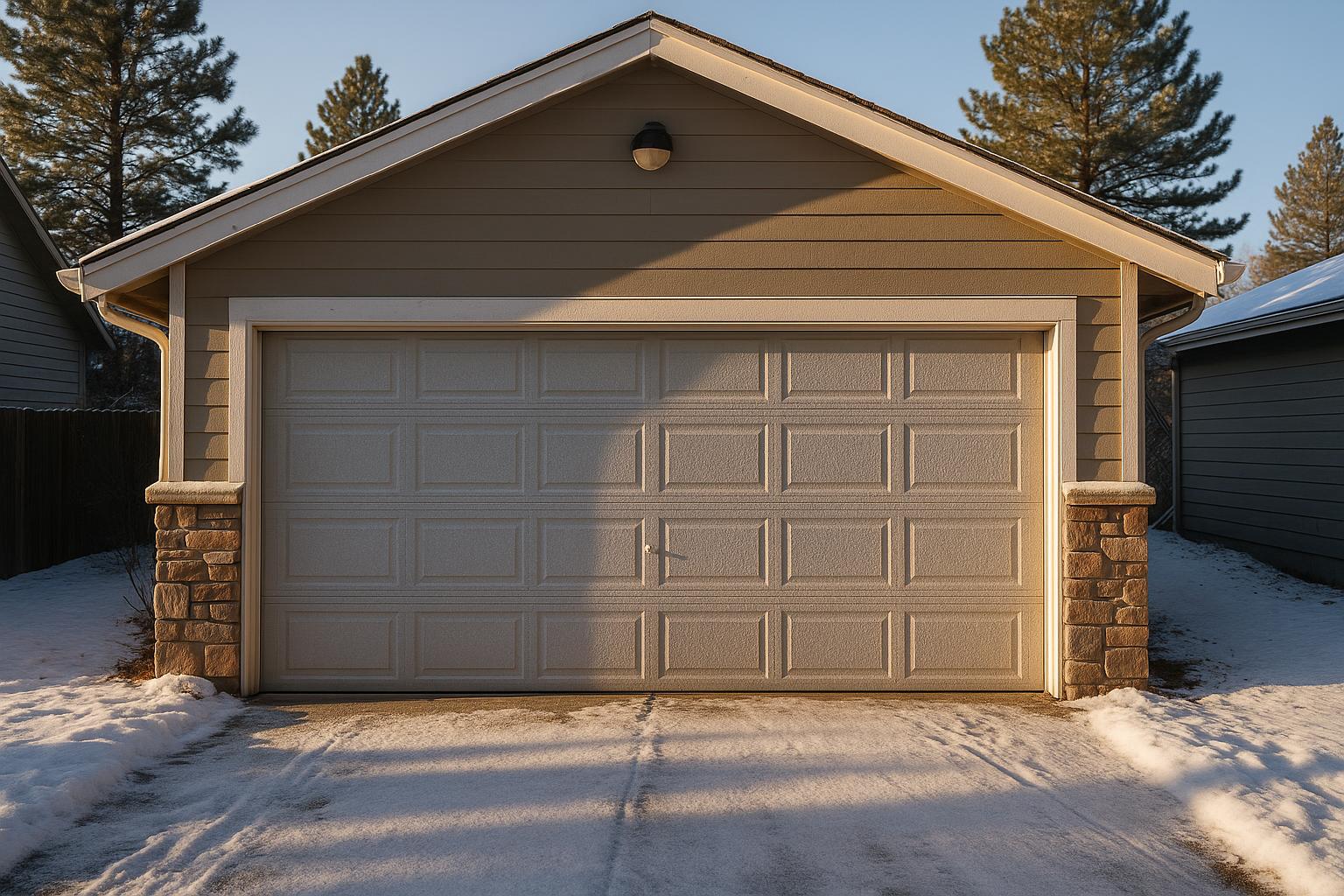
Winter Is Tough on Garage Doors in Castle Rock
If you've lived in Castle Rock for even one winter, you know the cold can be intense. Temperatures regularly dip into the single digits and below, and those dramatic swings between daytime sun and overnight freezing create conditions that are uniquely hard on mechanical systems — especially your garage door.
Every winter, we get calls from homeowners across Castle Rock, Parker, and Highlands Ranch who are dealing with garage doors that suddenly won't open, make strange noises, or seem sluggish and unresponsive. In most cases, the cold weather is either the direct cause or a major contributing factor.
Understanding how freezing temperatures affect your garage door system can help you stay ahead of problems and avoid getting stuck — literally — on a frigid Colorado morning.
Garage Door Springs Become Brittle in the Cold
Your garage door springs do the heavy lifting every time the door opens and closes. They're under tremendous tension, and they're made of metal — which contracts and becomes less flexible in cold weather.
When temperatures drop below freezing, torsion and extension springs are more prone to snapping. A broken spring is one of the most common emergency calls we handle during Castle Rock winters, and it's also one of the most dangerous components to deal with on your own.
What You Can Do
- Listen for changes. If your garage door starts making loud popping or creaking sounds in the cold, it could be a sign that your springs are under extra stress.
- Schedule preventive maintenance. Having a professional inspect and lubricate your springs before winter hits can extend their lifespan and reduce the risk of a sudden break.
- Never attempt to replace springs yourself. The tension stored in garage door springs can cause serious injury. Always call a trained technician.
Your Garage Door Opener Works Harder in the Cold
Garage door openers rely on a motor and a series of mechanical components that are all affected by temperature. When it's cold, the lubricant inside the opener thickens, the motor has to work harder, and the electrical components may respond more slowly.
If your opener seems to struggle, moves the door more slowly than usual, or fails to respond to your remote on cold mornings, the temperature is likely playing a role.
What You Can Do
- Use a silicone-based lubricant. Unlike petroleum-based products, silicone lubricants won't thicken as much in freezing temperatures. Apply it to the opener's chain or screw drive according to the manufacturer's instructions.
- Check the sensitivity settings. Cold weather can cause your opener to interpret normal resistance as an obstruction. If your door starts but stops partway, the force settings may need a minor adjustment.
- Consider upgrading an aging opener. If your opener is more than 10-15 years old and struggles every winter, a newer model with a more powerful motor and better cold-weather performance could save you from repeated headaches.
Metal Components Contract and Misalign
Your garage door system is full of metal parts — tracks, rollers, hinges, and brackets. When temperatures plummet, metal contracts. Even tiny shifts in alignment can cause the door to bind, stick, or move unevenly along the tracks.
This is especially common in Castle Rock homes where the garage isn't insulated. The temperature inside an unheated garage can closely mirror the outdoor temperature, meaning every component is exposed to the full force of winter.
What You Can Do
- Visually inspect the tracks. Look for gaps between the rollers and the track, or sections where the track appears slightly bent or shifted.
- Keep tracks clean and lubricated. Dirt and debris combined with cold temperatures create extra friction. Wipe down the tracks and apply lubricant to the rollers regularly during winter months.
- Call a professional if the door binds or jumps. Forcing a misaligned door can cause further damage to the tracks, rollers, and even the door panels themselves.
Weatherstripping Cracks and Fails
The rubber weatherstripping along the bottom and sides of your garage door is your first line of defense against cold air, moisture, and pests. Unfortunately, rubber and vinyl become stiff and brittle in freezing weather, leading to cracks, gaps, and eventually complete failure.
Damaged weatherstripping doesn't just let cold air in — it can also allow moisture to seep under the door, which can freeze and create an ice dam that bonds the door to the garage floor.
What You Can Do
- Inspect your weatherstripping before winter. Look for visible cracks, tears, or sections that have pulled away from the door.
- Replace damaged weatherstripping promptly. This is a relatively affordable fix that can prevent much bigger problems, including frozen doors and water damage to your garage floor.
- If your door freezes to the floor, don't force it. Pressing the opener button repeatedly when the door is frozen to the ground can strip gears, burn out the motor, or damage the bottom panel. Instead, carefully break the ice seal with a flat shovel or apply a de-icing product before attempting to open the door.
The Garage Door Itself Can Warp or Crack
Wooden garage doors are particularly vulnerable to cold and moisture. The repeated cycle of freezing and thawing can cause wood to warp, crack, and split over time. But even steel and aluminum doors aren't immune — extreme cold can cause dents to worsen and panels to become more rigid and prone to damage from impact.
If you're building a new home in Castle Rock or considering a garage door replacement, it's worth thinking about materials that handle Colorado's temperature extremes well. Insulated steel doors with polyurethane cores tend to perform best in our climate, offering durability, energy efficiency, and resistance to warping.
Insulation Makes a Bigger Difference Than You Think
An insulated garage door does more than keep your garage a few degrees warmer. It protects the mechanical components of your door system from the most extreme temperature swings, reduces strain on your opener, and can even lower your home's overall energy costs — especially if your garage shares a wall with heated living space.
Many homeowners in the Douglas County area are surprised by how much more smoothly their garage door operates after upgrading to an insulated model. It's one of the best investments you can make for winter reliability.
Don't Wait for a Breakdown — Prepare Now
The best time to address cold-weather garage door issues is before they become emergencies. A professional tune-up in the fall can catch worn springs, aging weatherstripping, and lubrication issues before the first hard freeze arrives.
At Castle Rock Garage Door Specialists, we help homeowners throughout Castle Rock, Parker, Lone Tree, Sedalia, and Franktown keep their garage doors running smoothly all winter long. Whether you need a quick adjustment, a spring replacement, or a full door upgrade, we show up on time and get the job done right.
If your garage door is already showing signs of cold-weather trouble, don't wait for it to fail completely. Give us a call and let's get it taken care of before the next cold snap hits.