
Your Garage Door Shouldn't Sound Like That
You press the button, and instead of a smooth, quiet operation, your garage door groans, squeals, rattles, or pops its way up the track. If you're a homeowner in Castle Rock, you've probably noticed that these sounds tend to get worse over time — especially after a long winter or a stretch of heavy use.
A noisy garage door is more than just a nuisance. Those sounds are your door's way of telling you something isn't right. The good news is that most garage door noises point to identifiable, fixable problems. The key is knowing what each sound means so you can address the issue before it turns into a costly repair or a complete system failure.
Common Garage Door Noises and What They Mean
Not all garage door sounds are created equal. Here's a breakdown of the most common noises Castle Rock homeowners report — and what's likely causing them.
Grinding or Scraping
A grinding or scraping noise usually means metal is rubbing against metal somewhere it shouldn't be. The most common culprits are:
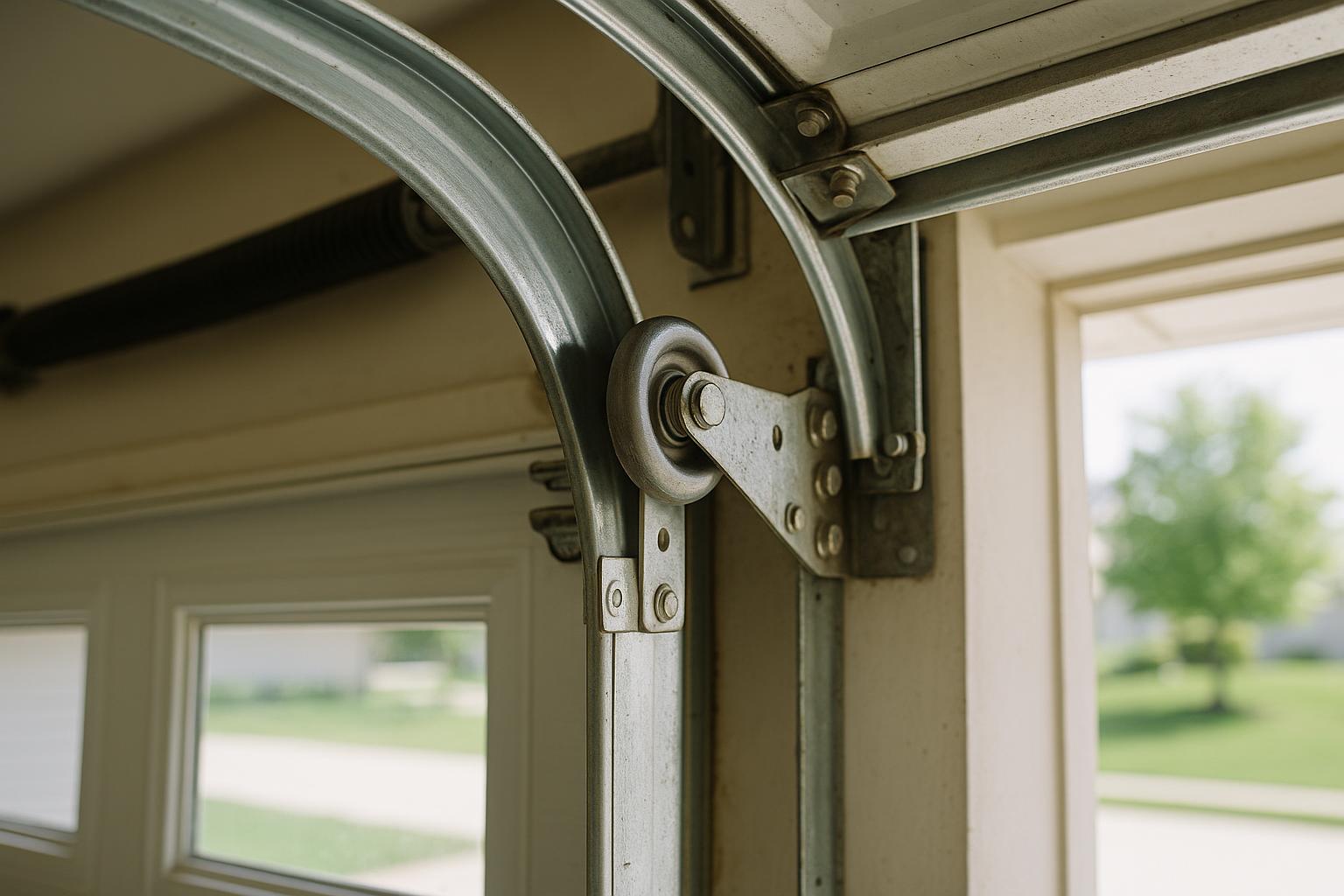
- Worn rollers: Steel rollers wear down over time, and when they do, they grind against the track instead of rolling smoothly. Nylon rollers are quieter and last longer, making them a popular upgrade.
- Misaligned tracks: If your tracks have shifted even slightly, the door can scrape against them during operation. This puts stress on the entire system and can lead to the door getting stuck.
- Lack of lubrication: Dry hinges, bearings, and rollers create friction that produces that unmistakable metal-on-metal sound.
Squealing or Squeaking
High-pitched squealing is one of the most common complaints we hear from homeowners. It's usually caused by:
- Dry or rusted springs: Your torsion or extension springs do the heavy lifting every time the door moves. Without proper lubrication, they'll squeal under the strain.
- Worn weatherstripping: The rubber seal along the bottom of your door can dry out and drag against the floor, producing a squeaking sound.
- Roller issues: Old steel rollers or rollers that have lost their bearings will squeak loudly as they move through the tracks.
Rattling or Vibrating
If your garage door sounds like a box of loose bolts every time it opens, you're likely dealing with:
- Loose hardware: The nuts, bolts, and screws that hold your door system together loosen naturally over time due to the constant vibration of daily use. A simple tightening can often solve the problem.
- A loose chain or belt: If you have a chain-drive opener, a loose chain will slap and rattle during operation. Belt-drive openers can develop similar issues if the belt stretches.
- Unsecured opener mounting: The bracket that attaches your opener to the ceiling can loosen, causing the entire unit to vibrate.
Popping or Banging
Sudden popping or banging sounds are harder to ignore — and for good reason. They often indicate:
- Spring tension problems: When torsion springs are improperly adjusted, they can pop or snap during operation. This is a serious safety concern and should be addressed by a professional immediately.
- Panel issues: Warped or damaged panels can pop as they bend under pressure during the opening and closing cycle.
- Track obstructions: Even small debris in the track can cause the rollers to jump and create a banging noise.
Humming Without Movement
If your opener hums but the door doesn't move, the motor is running but something is preventing it from engaging. This could be a stripped gear inside the opener, a disconnected drive mechanism, or in some cases, a door that's too heavy for the opener to lift — often because a spring has broken.
Quick Fixes You Can Try at Home
Before calling in a professional, there are a few safe, simple steps you can take to quiet a noisy garage door:
- Lubricate moving parts: Apply a silicone-based or lithium-based garage door lubricant to the springs, hinges, rollers, and bearing plates. Avoid using WD-40 — it's a solvent, not a long-term lubricant.
- Tighten loose hardware: Use a socket wrench to check and tighten all the bolts and brackets on the door and track system. Be thorough but don't overtighten.
- Inspect the rollers: Look for cracked, chipped, or worn rollers. If your door uses steel rollers, consider upgrading to nylon rollers for a quieter, smoother ride.
- Check the tracks: Look for visible dents, bends, or debris in the tracks. Wipe them clean with a damp cloth but don't lubricate the tracks themselves — this can cause the door to slip.
These steps can resolve minor noise issues, but if the sounds persist or you're unsure about the cause, it's time to bring in a professional.
When to Call a Professional
Some garage door noises point to problems that require specialized tools, training, and experience to fix safely. You should call a garage door technician if:
- You hear loud popping or snapping sounds, which could indicate a spring under dangerous tension
- The door is visibly off-track or crooked during operation
- Grinding persists after lubrication and roller inspection
- The opener hums but the door won't move
- You notice any fraying cables or damaged hardware
Garage door springs and cables are under extreme tension and can cause serious injury if handled incorrectly. This is never a DIY job.
Preventive Maintenance Keeps Things Quiet
The best way to avoid a noisy garage door is to stay ahead of wear and tear with regular maintenance. For most Castle Rock homes, a professional tune-up once or twice a year is enough to keep everything running smoothly. During a maintenance visit, a technician will lubricate all moving parts, tighten hardware, inspect springs and cables, test the balance of the door, and check the opener's performance.
Given the temperature swings we experience here in Castle Rock — from hot, dry summers to freezing winters — your garage door system takes a beating year-round. Routine maintenance catches small problems before they become big, expensive ones.
Don't Ignore the Noise
A noisy garage door is trying to tell you something. Whether it's a simple lubrication issue or a sign of a failing component, addressing the problem early saves you money, extends the life of your system, and keeps your home safe.
If your garage door has been getting louder and you're not sure what's causing it, Castle Rock Garage Door Specialists can help. We'll diagnose the problem, explain your options, and get your door running quietly again. Give us a call or schedule a service appointment today.